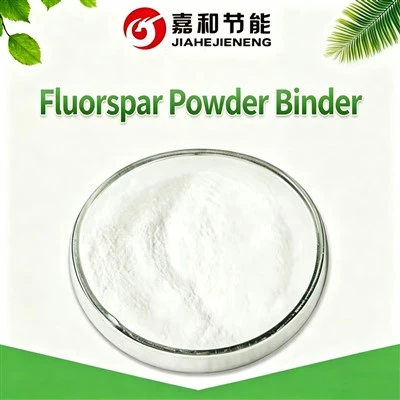

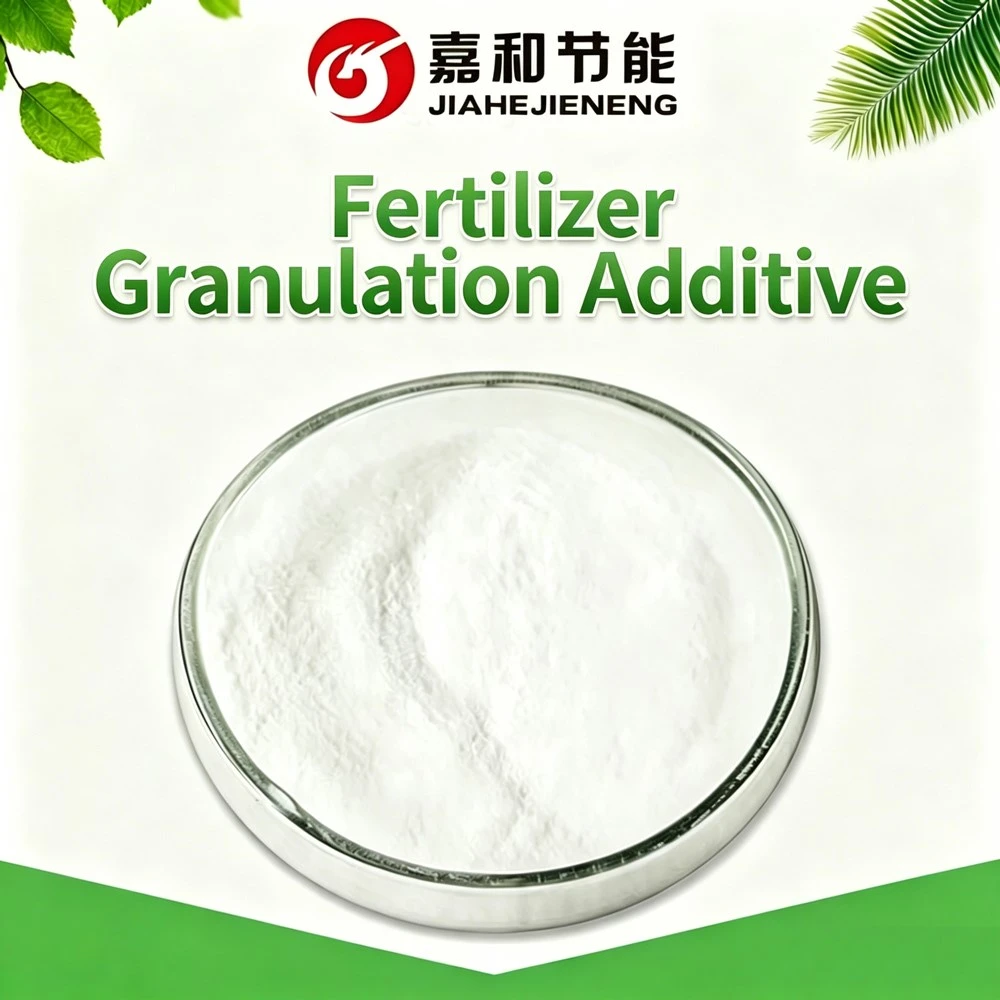
Premium Fertilizer Granulation Additive is mostly white powder or colorless transparent liquid. It has no dyeing property and leaves no pigment residue. When applied in standardized production, it will not trigger uneven color of fertilizer particles or alter the base color of various fertilizer raw materials. It serves as a neutral auxiliary material suitable for manufacturing fertilizer products from multiple raw materials and categories. Whether producing white compound fertilizer, grey organic fertilizer, brown humic acid fertilizer or colored functional fertilizer, compliant Fertilizer Granulation Additive can blend evenly with raw materials. Formed particles feature uniform and transparent color without mottled grains, spots, color difference or fogging surface, and will not damage fertilizer appearance quality.
Uneven color, mottled surface, partial lightening or darkening of fertilizer particles observed in actual production mainly stem from raw material, equipment and operational problems rather than defects of the additive itself. First, large color difference among raw materials. Fertilizer production adopts compounding of multiple materials. Nitrogen, phosphorus, potassium feedstock, medium and trace elements and organic powder all have different base colors. If raw materials with different colors are not fully screened and crushing ratios fluctuate, insufficient mixing leads to finished particles with inconsistent shade, which is the primary cause of color difference. Second, inadequate mixing process. Insufficient mixing time, low stirring speed or dead corners inside mixing equipment prevent thorough blending between additives and raw materials. Local accumulation of additives results in white and foggy particle surfaces, while concentrated raw material areas show darker color and form visual color difference.
Third, uneven temperature distribution during drying and solidification. Uneven heat inside drying equipment causes inconsistent heating of fertilizer particles. Particles in high-temperature zones are fully dehydrated with lighter color, while those in low-temperature zones retain residual moisture and appear darker. Uneven moisture distribution further amplifies color difference together with uneven additive dispersion. Fourth, improper additive feeding method. One-time large-volume feeding prevents rapid dispersion and fusion of additives, causing local enrichment and forming white spots and foggy particles distinct from normal grains. Besides, caked raw materials and inconsistent powder particle size also lead to poor mixing and uneven particle color.
To eliminate color difference, there is no need to replace additives. Production processes can be optimized. Additives shall be fed in small batches to ensure full blending with raw materials through extended mixing time. Drying equipment temperature needs calibration to guarantee uniform heating in all zones. Raw materials shall be screened and crushed in advance to unify powder particle size and reduce base color variation. After standardized operation, Fertilizer Granulation Additive can perfectly match various raw materials. Finished fertilizer particles have uniform color and consistent appearance without color defects, and will not affect fertilizer appearance quality and market sales performance.